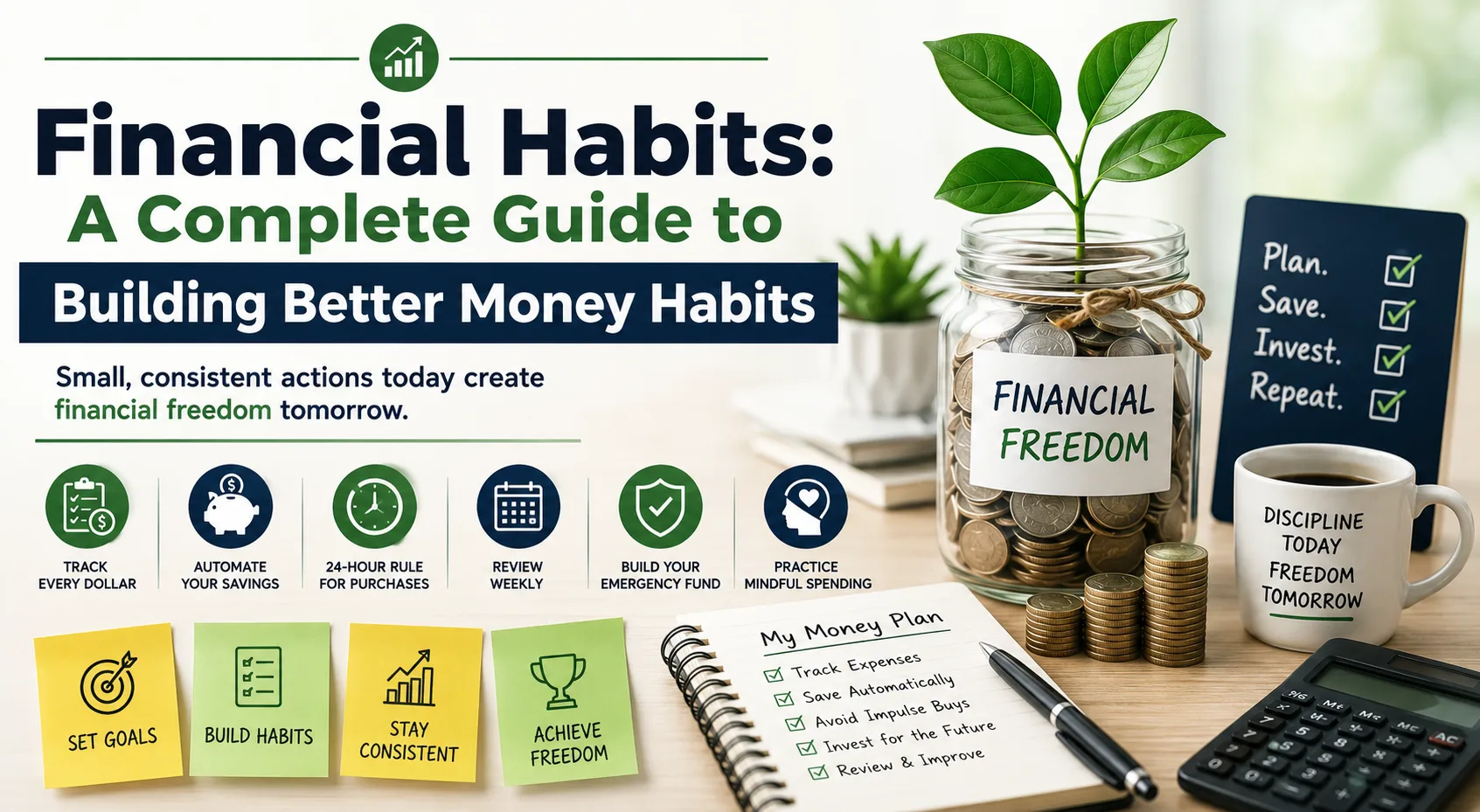
Ever notice how some people seem to effortlessly save money while others struggle no matter how much they earn? The secret isn’t luck or a bigger paycheck – it’s habits. Small, consistent actions repeated daily eventually shape your entire financial reality.
The good news? Habits can be built, broken, and rebuilt at any age. Whether you’re drowning in debt or already saving but want to optimize further, this guide walks you through creating money habits that actually stick.
Why Habits Matter More Than Willpower
Most people believe financial success comes from willpower – forcing yourself to resist spending, gritting your teeth through budgeting spreadsheets, white-knuckling your way to savings goals. This approach almost always fails.
Willpower is a limited resource that depletes throughout the day. By evening, after making hundreds of decisions, your resistance to that impulse purchase or expensive takeout order weakens significantly. Habits, on the other hand, run on autopilot. Once established, they require little mental energy.
Think about brushing your teeth. You don’t debate whether to do it each morning – it just happens automatically. That’s the power habits offer for money management too. When saving, tracking expenses, and mindful spending become automatic, financial success stops feeling like a constant struggle.
The compound effect of small habits explains why two people earning identical salaries can end up in completely different financial situations after ten years. One person’s daily habits quietly build wealth while the other’s habits slowly drain it, often without either person consciously noticing until the results become undeniable.
The Foundation: Understanding Your Money Personality
Before building new habits, it helps to understand your relationship with money. Are you a saver who feels anxious spending even on necessities? A spender who finds joy in purchases but struggles to save? An avoider who ignores bank statements entirely?
None of these tendencies is inherently wrong, but each comes with specific challenges. Savers might need to work on allowing themselves guilt-free spending for things they value. Spenders often benefit from automation that removes decision-making from the saving process. Avoiders typically need simple systems that don’t require constant attention or confrontation with numbers.
Recognizing your natural tendencies helps you build habits that work with your personality rather than against it. Fighting your natural inclinations rarely works long-term, but designing systems around them often does.
Essential Money Habits That Create Real Change
Track Every Dollar (At Least Initially)
You cannot improve what you don’t measure. For the first month of building better financial habits, track every single expense, no matter how small. That coffee, parking fee, or impulse snack purchase all count.
This isn’t about restricting yourself yet – it’s about awareness. Most people underestimate their spending in certain categories significantly. Use a simple notes app, spreadsheet, or budgeting app like YNAB or Mint. The tool matters less than the consistency of tracking.
After a month, review the data. Patterns emerge that surprise most people. Maybe subscription services eat up more than expected, or dining out costs triple what you assumed. This awareness becomes the foundation for every other financial habit you build.
Automate Your Savings Before You See the Money
The habit that separates consistent savers from inconsistent ones isn’t discipline – it’s automation. Set up automatic transfers from checking to savings the day your paycheck arrives, before you have a chance to spend it.
This “pay yourself first” approach removes willpower from the equation entirely. You adjust your spending to what remains rather than trying to save whatever happens to be left over at month’s end, which for most people amounts to nothing.
Start with an amount that feels slightly uncomfortable but manageable – even 5-10% of income works as a starting point. Increase this percentage gradually every few months as your income grows or expenses decrease. Many banks allow you to set up these transfers in minutes through their mobile app.
Implement the 24-Hour Rule for Purchases
Impulse spending destroys more budgets than any other single factor. Combat this by implementing a mandatory waiting period before non-essential purchases above a certain amount – many people use $50 or $100 as their threshold.
When you feel the urge to buy something not on your planned list, add it to a “waiting list” instead of purchasing immediately. Set a reminder for 24 hours later (or a full week for larger purchases). If you still want the item after this cooling-off period, proceed with the purchase guilt-free.
This habit works because impulse desires often fade once the initial emotional trigger passes. You’ll find that a significant percentage of items on your waiting list simply lose their appeal, saving you money without feeling deprived.
Review Your Finances Weekly, Not Just Monthly
Monthly budget reviews, while helpful, often happen too late to catch problems while they’re small. A weekly 15-minute money check-in prevents small issues from becoming significant problems.
During this weekly review, glance at your account balances, check for any unusual transactions, and assess whether you’re on track with your monthly budget categories. This regular touchpoint keeps money consciously on your radar without requiring extensive time investment.
Choose a consistent day and time – Sunday evenings work well for many people as they prepare for the week ahead. Pair this habit with something you already do, like your Sunday coffee or evening planning session, to increase consistency.
Build Your Emergency Fund Habit First
Before aggressively paying off debt or maximizing investments, prioritize building at least a starter emergency fund of $1,000. This buffer prevents minor emergencies from becoming major financial setbacks that require credit card debt or loans to resolve.
Once you have this starter fund, work toward covering three to six months of essential expenses. This larger fund provides genuine security, allowing you to handle job loss, medical issues, or major repairs without derailing your entire financial progress.
Keep this money in a separate high-yield savings account, distinct from your regular checking account. The separation makes it less tempting to dip into for non-emergencies while still keeping it accessible when genuinely needed.
Practice Mindful Spending, Not Restrictive Budgeting
Rigid budgets that restrict every category often lead to burnout and eventual abandonment. Instead, focus on mindful spending – asking yourself whether each purchase aligns with your actual values and goals before completing it.
This doesn’t mean unlimited spending. It means being intentional. If dining out with friends genuinely brings you joy and fits your priorities, budget generously for it while cutting back on categories that matter less to you personally.
This approach sustains long-term because it doesn’t feel like deprivation. You’re making conscious choices aligned with what actually matters to you, rather than following arbitrary rules that feel disconnected from your real life and values.
Breaking Bad Financial Habits
Identify Your Triggers
Bad financial habits rarely happen randomly – they’re triggered by specific emotions, situations, or environments. Stress shopping, boredom spending, and social pressure purchases all have identifiable triggers once you pay attention.
Keep a simple log for two weeks noting what you felt right before any unplanned purchase. Common triggers include stress, boredom, social media scrolling, and emotional lows. Once identified, you can develop specific strategies to address these triggers without resorting to spending.
Create Friction for Bad Habits
Make it slightly harder to engage in problematic spending. Remove saved credit card information from shopping websites, unsubscribe from promotional emails, delete shopping apps from your phone’s home screen, or unfollow accounts that trigger impulse purchases.
This added friction creates a pause point where your rational brain can catch up with impulsive desires. The extra thirty seconds required to manually enter card information often provides enough time to reconsider unnecessary purchases.
Replace, Don’t Just Remove
Simply eliminating a habit without replacing it often fails because the underlying need or trigger remains unaddressed. If stress shopping is your pattern, identify alternative stress-relief activities – exercise, calling a friend, or a hobby that doesn’t involve spending.
This substitution approach acknowledges that the habit served a purpose, even if that purpose wasn’t financial well-being. Finding healthier alternatives that address the same emotional need increases your chances of lasting change.
Making Habits Stick Long-Term
Start Smaller Than You Think Necessary
The biggest mistake people make when building financial habits is starting too ambitiously. Trying to overhaul your entire financial life simultaneously typically leads to overwhelm and abandonment within weeks.
Instead, focus on one habit at a time. Master automatic savings for a month before adding weekly expense reviews. Once tracking becomes automatic, introduce the 24-hour purchase rule. This gradual approach builds sustainable change rather than temporary bursts of motivation.
Track Your Habit Streak
Just as fitness apps show workout streaks, track your consistency with financial habits. Mark a calendar or use a habit-tracking app each day you stick to your chosen habit. Visual progress creates motivation to maintain your streak rather than breaking it.
This simple tracking method taps into psychological principles around consistency and progress that make habits more likely to stick long-term, transforming abstract financial goals into concrete daily actions.
Connect Habits to Your Deeper Why
Generic goals like “save more money” lack the emotional pull needed for long-term habit maintenance. Instead, connect your financial habits to specific, meaningful goals – your child’s education, early retirement, starting a business, or traveling extensively.
When motivation wavers, as it inevitably will, returning to this deeper purpose reignites commitment. Write down your specific why and place it somewhere visible – your phone’s lock screen, bathroom mirror, or wallet – as a consistent reminder.
Read More: The Key to Wealth: Why Personal Financial Management Matters!
Expect and Plan for Setbacks
Perfect consistency isn’t realistic or necessary. You’ll have months where unexpected expenses disrupt savings goals, or motivation dips, and old spending patterns temporarily return. This is normal, not failure.
The key difference between people who successfully build lasting financial habits and those who don’t isn’t the absence of setbacks – it’s how quickly they return to their habits after disruption. Missing one week of tracking doesn’t mean abandoning the practice entirely; it means resuming the following week.
Your Habit-Building Action Plan
Start this week by choosing just one habit from this guide – perhaps automating a small savings transfer or beginning expense tracking. Master this single habit for two to three weeks before adding another.
Review your progress monthly, celebrating improvements no matter how small. Financial habit building is a marathon, not a sprint. The compound effect of small, consistent actions creates remarkable results over months and years, even when daily progress feels invisible.
Your financial future isn’t determined by dramatic, one-time decisions. It’s shaped by the small, repeated choices you make every single day. Start building better money habits today, one small step at a time, and watch how significantly your financial life transforms over the coming months and years.

Hello Guys! My name is Sharda Kumari and I am a blogger. This website shares articles for individuals who want to get knowledge of topics on finance and contains writing about finance education. Let’s achieve a future of financial freedom together.